
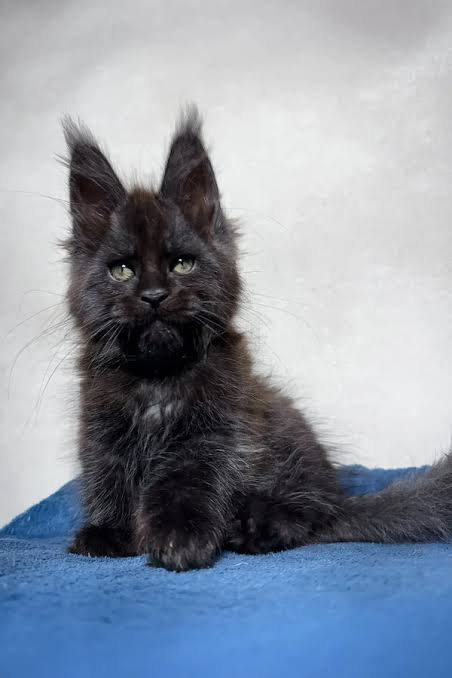
Black Maine coon kitten
Black Maine Coon Kitten: Everything You Need to Know Before You Bring One Home
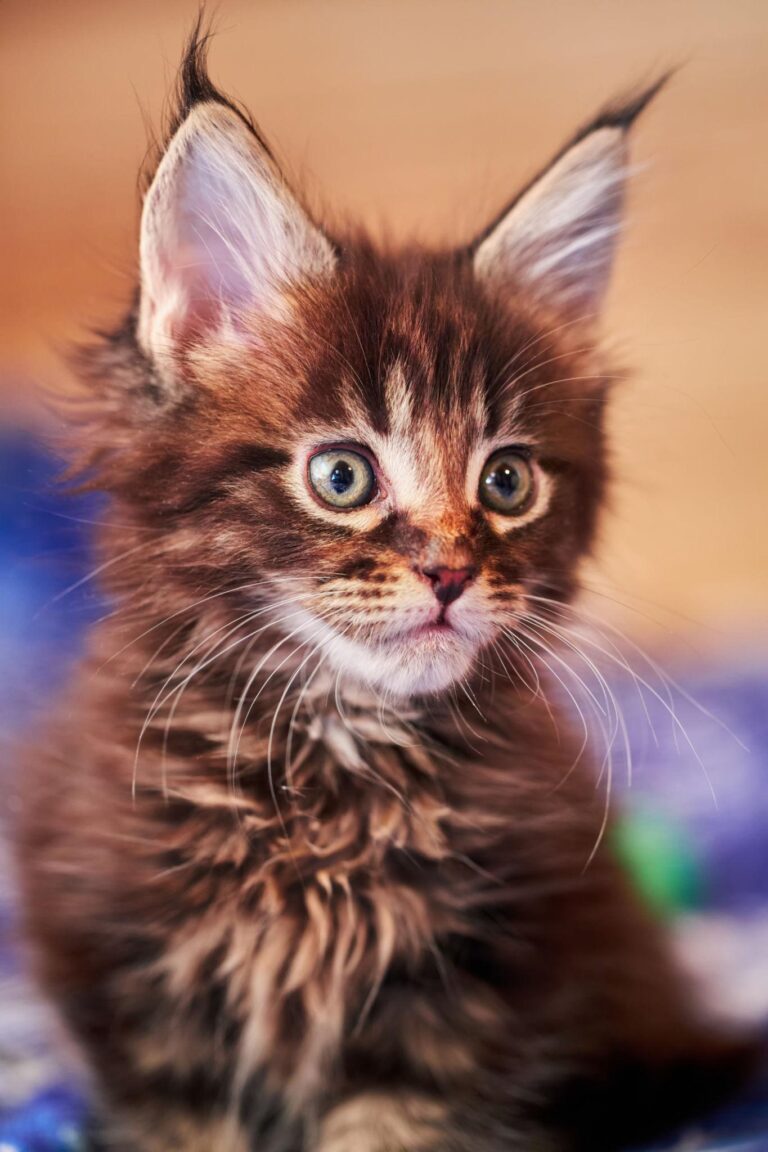
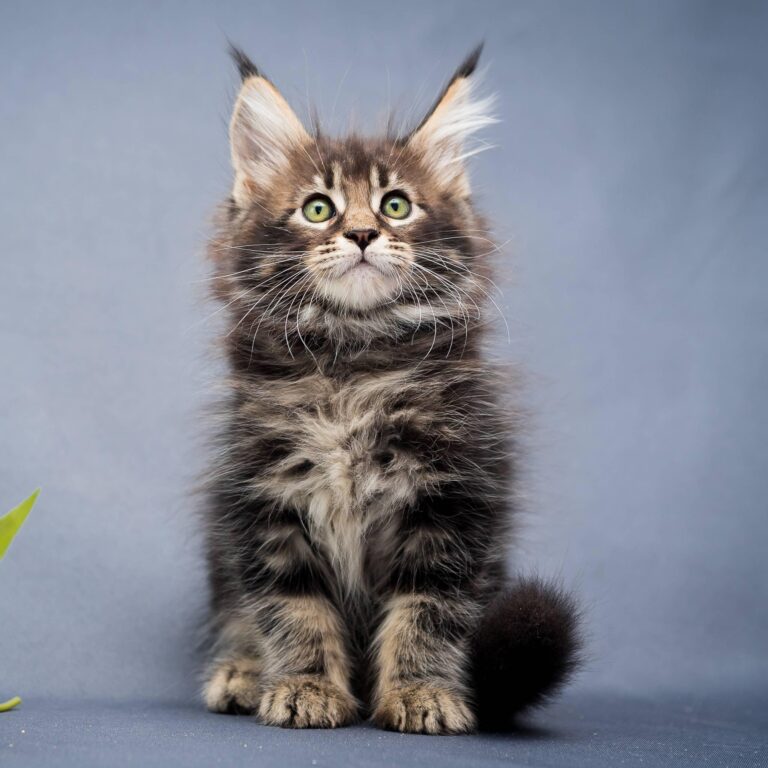
Picture a kitten with a coat like polished onyx, tufted ears that seem borrowed from a lynx, and paws so large they look built for snowshoeing through Maine winters. That’s a black Maine Coon kitten — one of the most striking and sought-after variations of America’s native longhair breed. Because true solid black coats are genetically harder to produce than the classic brown tabby, these kittens are rarer and more in-demand than most buyers realize. In this guide, we’ll break down the genetics, the rarity factor, and what makes this coloring so special.
Is a Black Maine Coon a Real Breed or Just a Color Variant?
Here’s the short answer: a black Maine Coon isn’t a separate breed — it’s a coat color variation within the standard Maine Coon breed. The breed itself is defined by body type, bone structure, ear tufts, and that signature shaggy coat, not by color. Black simply happens to be one of the accepted solid colors recognized by major cat registries like TICA and CFA.
That said, not all “black” Maine Coons look the same. A black smoke Maine Coon kitten has a coat that appears solid black at first glance, but each hair shaft is actually white or silver at the root, creating a smoky, shimmering effect when the cat moves. A true solid black kitten, by contrast, has black pigment running the full length of every hair, with no undercoat lightening at all. Buyers often confuse the two, so it’s worth asking breeders directly which variation they’re offering.
You’ll also come across the term black Maine Coon kitten mix, referring to cats with Maine Coon lineage crossed with another breed or a domestic shorthair. These kittens can still carry many classic Maine Coon traits — the size, the tufted ears, the sociable temperament — but they won’t meet purebred registry standards. They’re often more affordable and make wonderful pets, just without the pedigree paperwork.
Why Black Maine Coon Kittens Are So Rare
Solid black coloring requires two copies of the recessive non-agouti gene, which suppresses the tabby striping pattern that’s dominant in most Maine Coons. Since agouti (tabby) is genetically dominant, a kitten needs to inherit the recessive black gene from both parents to display a truly solid black coat. If even one parent carries the dominant tabby gene without also carrying black, the odds of producing solid black kittens drop significantly.
This is why even experienced breeders may only produce a handful of true black kittens across several litters. If you’re watching for a 4-week-old black Maine Coon kitten to reserve early, expect a waitlist — reputable breeders typically have buyers lined up well before kittens are old enough to leave their mother, especially for this coloring.
Personality & Temperament
Don’t let the size fool you — a black Maine Coon kitten grows into one of the most easygoing, affectionate cats you’ll ever share a home with. Maine Coons are famous for their “gentle giant” reputation, and the black variety is no exception. They tend to follow their owners from room to room, chirp and trill instead of meowing, and settle happily next to kids, dogs, and even the occasional confused hamster.
Ask any longtime owner and you’ll probably hear some version of the same story: the cat that was supposed to sleep in the laundry room ends up sprawled across the foot of the bed within a week. That’s the Maine Coon effect. Whether you’re bringing home a purebred kitten or a black Maine Coon kitten mix, expect a companion that’s more dog-like in loyalty than typical feline independence would suggest.
How Much Does a Black Maine Coon Kitten Cost?
Prices for a black Maine Coon kitten typically range from $800 to $2,500, depending on pedigree, breeder reputation, and location. A black smoke Maine Coon kitten with show-quality lineage can sit at the higher end, while mixed-breed kittens often cost less.
Three factors drive price the most:
- Pedigree — TICA/CFA-registered lines with championship bloodlines cost more.
- Breeder reputation — established breeders with health-tested parents charge accordingly.
- Location — availability varies by region, affecting local pricing.
A word of caution: if you spot a 4-week-old black Maine Coon kitten listed for a suspiciously low price, slow down. Kittens shouldn’t leave their mother before 12–14 weeks, and underpriced listings often signal unverified sellers, poor breeding conditions, or outright scams.
How to Find a Healthy, Ethical Breeder
Before committing, run through this checklist:
- Health testing — ask for proof of HCM (hypertrophic cardiomyopathy) and hip dysplasia screening on both parents.
- Vet records — kittens should have documented vaccinations and vet checkups.
- Clean, spacious living conditions — visit in person or request a video tour.
- Transparency — reputable breeders answer questions openly and welcome follow-up visits.
If a breeder hesitates on any of these, treat it as a red flag.
Caring for Your Black Maine Coon Kitten
Nutrition matters early — feed a high-protein kitten formula to support their notably large frame. Their double coat needs brushing two to three times a week to prevent matting, especially as the undercoat thickens.
 Unlike most breeds, Maine Coons mature slowly, often not reaching full size until age three to five. Don’t be surprised if your kitten still looks gangly at a year old — that’s normal. Regular vet checkups through this growth period help catch any developmental concerns early.
Common Myths About Black Cats — Debunked
Black cats still face lingering superstition and adoption bias, often waiting longer in shelters than other colors. There’s no evidence linking coat color to temperament or luck. A black Maine Coon kitten is just as affectionate, healthy, and loyal as any other color variant — the myths say more about outdated folklore than the cats themselves.
Are black Maine Coon kittens more expensive?
Not necessarily more expensive than other colors, but they can command a premium due to rarity. Since solid black requires two copies of a recessive gene, breeders produce fewer of them per litter, which sometimes pushes prices toward the higher end of the typical $800–$2,500 range. That said, price ultimately comes down to pedigree, breeder reputation, and location more than coat color alone. A black smoke Maine Coon kitten with strong bloodlines might cost more than a solid black kitten from a less established breeder — so don’t assume color alone dictates the price tag.
Do they have green or gold eyes?
Yes, typically. Solid black Maine Coons almost always have gold, copper, or green eyes — the deep contrast against their dark coat is part of what makes them so visually striking. Blue eyes are extremely rare in this coloring and can sometimes signal a different genetic background, so if you’re evaluating a black Maine Coon kitten mix, eye color is one small clue (though not a definitive one) about how closely the kitten follows purebred standards.
Are black Maine Coons hypoallergenic?
No cat breed is truly hypoallergenic, and Maine Coons — including the black variety — are no exception. Their long double coat actually sheds quite a bit, especially seasonally, which can be a concern for allergy sufferers. If allergies are a worry, spend time with an adult cat of the breed before committing, since individual reactions vary. Regular grooming helps manage loose fur, but it won’t eliminate allergens entirely.
How big do they get?
Maine Coons are one of the largest domestic cat breeds, and black kittens follow the same growth pattern as any other color. Males typically reach 13–18 pounds, with some outliers topping 20 pounds, while females usually settle between 8–12 pounds. Here’s the part that surprises new owners: growth is slow. A 4-week-old black Maine Coon kitten looks like an ordinary tiny kitten at that stage — the breed’s signature size doesn’t really show until much later, with most cats not reaching full maturity until age three to five. So if your kitten still looks modest-sized at six months, that’s completely normal — the growth spurt is still ahead.
Sourcing responsibly isn’t just about protecting yourself from scams — it’s about supporting breeders who genuinely prioritize the wellbeing of their cats. Ethical breeders welcome questions, provide vet records without hesitation, and are just as invested in finding the right home as you are in finding the right kitten. That transparency is often the clearest signal you’re dealing with someone trustworthy.
If everything you’ve read here has you picturing a glossy black coat curled up on your couch, you don’t have to start your search from scratch. We’d love to help you find a kitten that fits your home and expectations, health history included.
Conclusion
There’s something undeniably magnetic about a black Maine Coon kitten — the sleek, shadow-dark coat, the tufted lynx-like ears, the oversized paws that hint at the gentle giant they’ll grow into. It’s a rare combination of striking looks and warm, people-oriented temperament that few other cats can match. Whether you’re drawn to the shimmering depth of a black smoke Maine Coon kitten, the budget-friendly charm of a black Maine Coon kitten mix, or you’re already counting down the weeks until a 4-week-old black Maine Coon kitten is ready to leave its mother, one thing stays true across every version of this coloring: these cats are worth the wait.
But rarity comes with responsibility. Because solid black coloring depends on a specific recessive gene combination, it’s tempting for less scrupulous sellers to cash in on demand — advertising underpriced kittens, skipping health testing, or rehoming cats far too young. A healthy Maine Coon kitten should never leave its mother before 12–14 weeks, and its parents should have documented HCM and hip dysplasia screening. If a breeder can’t or won’t provide that information, it’s a sign to keep looking rather than compromise on your future companion’s health.
Browse our current litters to see available kittens, or contact a certified breeder near you to ask questions, schedule a visit, or get on a waitlist for an upcoming litter. Either way, you’re one step closer to bringing home a Maine Coon kitten that’s as healthy as it is beautiful.