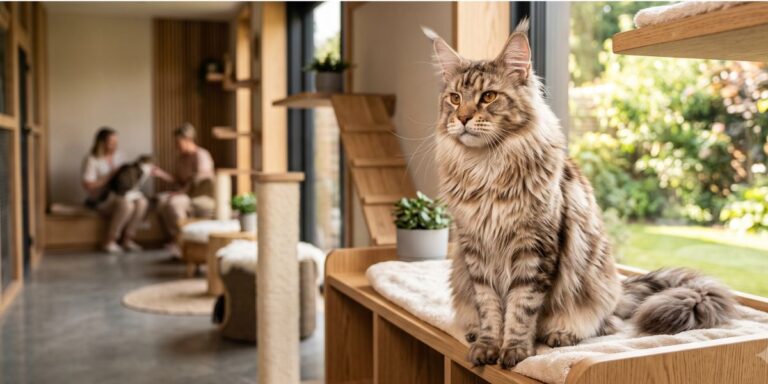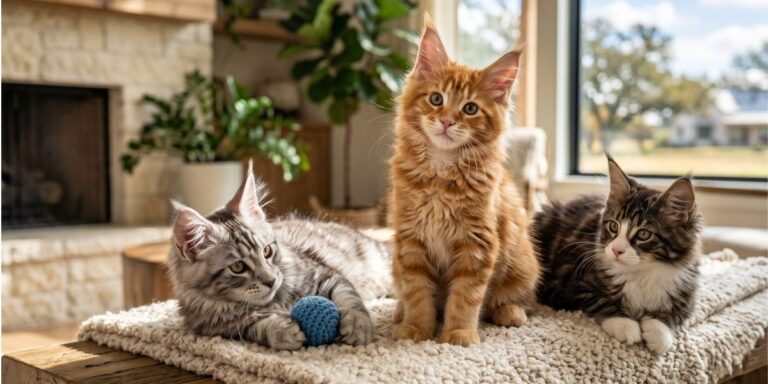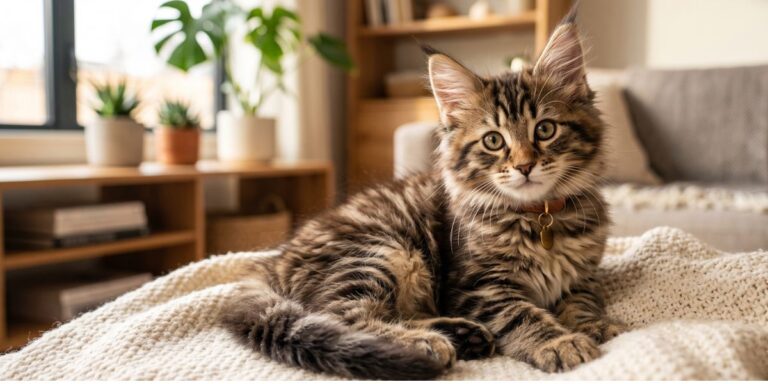

Maine coon kittens for sale
How Much Are Maine Coon Kittens for Sale? Complete 2026 Buyer’s Guide
Looking for how much are Maine Coon kittens for sale? You’re not alone. Maine Coons are one of the most sought-after cat breeds in the United States because of their impressive size, gentle personality, luxurious coat, and family-friendly temperament. However, finding a healthy kitten from a responsible breeder requires more than simply comparing prices.
Whether you’re wondering where to buy Maine Coon kittens, how large they become, or how to identify a reputable breeder, this complete guide answers every important question before bringing home your new feline companion.
At Maple Maine Coons Cattery, we believe every future owner deserves accurate information so they can make an informed and responsible decision. This guide explains pricing, health testing, breeder standards, kitten growth, ownership costs, and everything you should know before purchasing a Maine Coon kittenHow Much Are Maine Coon Kittens for Sale?
The average price of a Maine Coon kitten varies depending on several important factors, including pedigree, breeder reputation, health testing, registration status, coat color, location, and breeding quality.
In the United States, buyers generally spend between $2,000 and $4,500 for a healthy, registered Maine Coon kitten from an ethical breeder. Exceptional bloodlines, rare colors, or show-quality kittens may cost even more.
| Kitten Type | Typical Price Range |
|---|---|
| Pet Quality | $2,000 – $3,000 |
| Premium Bloodline | $3,000 – $4,000 |
| Show Quality | $4,000 – $6,000+ |
| Breeding Rights | $5,000+ |
Why Are Maine Coon Kittens So Expensive?
Maine Coons require significantly more investment than many other cat breeds because ethical breeders prioritize health, genetics, and proper care over mass production.
- DNA health testing
- HCM heart screening
- Hip dysplasia testing
- PKDef genetic testing
- Vaccinations
- Microchipping
- Premium nutrition
- Veterinary examinations
- Registration paperwork
- Early socialization
Responsible breeders also spend considerable time matching kittens with suitable families, providing lifelong support, and ensuring every kitten leaves for its new home healthy and well-adjusted.
What Factors Affect the Price of Maine Coon Kittens?
No two Maine Coon kittens are priced exactly the same. Several variables influence their overall value.
1. Pedigree
Kittens from champion bloodlines typically command higher prices because their lineage has been carefully selected for health, temperament, and breed standards.
2. Registration
Kittens registered with recognized cat associations generally cost more than unregistered cats because registration confirms documented lineage.
3. Health Testing
Ethical breeders perform extensive health screenings before breeding. These tests help reduce inherited diseases and improve long-term health.
4. Coat Color
Some colors and patterns are more difficult to produce naturally, making them more desirable among buyers.
- Silver
- Blue Smoke
- Black Smoke
- Red Tabby
- Cream
- Tortoiseshell
5. Gender
Male Maine Coons often become larger than females. In some regions, this can influence pricing depending on buyer demand.
6. Geographic Location
Prices differ across states due to breeder availability, veterinary costs, and local demand.
Average Maine Coon Kitten Prices by Region
| Region | Average Price |
|---|---|
| Northeast USA | $2,500–$4,500 |
| Midwest USA | $2,000–$3,800 |
| Southern USA | $2,200–$4,000 |
| West Coast USA | $2,800–$5,000 |
Prices can also increase if transportation, flight nanny services, or nationwide delivery are included.
What’s Included When Buying From a Responsible Breeder?
Although every breeder’s package differs slightly, reputable Maine Coon breeders usually provide the following:
- Health guarantee
- Veterinary health certificate
- Age-appropriate vaccinations
- Deworming schedule
- Microchip
- Registration papers
- Pedigree documentation
- Starter food
- Care instructions
- Lifetime breeder support
These services add substantial value and demonstrate that the breeder prioritizes the kitten’s lifelong health and wellbeing rather than focusing solely on the sale.
Initial Expenses Beyond the Purchase Price
Many first-time owners focus only on the kitten’s purchase price. However, preparing for your new companion also involves several one-time setup costs.
| Item | Estimated Cost |
|---|---|
| Large Cat Tree | $150–$500 |
| Litter Box | $40–$120 |
| Premium Food | $50–$120/month |
| Scratching Posts | $40–$200 |
| Carrier | $50–$150 |
| Toys | $50–$150 |
| Pet Insurance | Varies |
Budgeting for these essentials ensures your kitten has a safe, comfortable, and enriching environment from the very first day.
Where to Buy Maine Coon Kittens
Finding the right breeder is one of the most important decisions you’ll make when bringing home a Maine Coon kitten. While it may be tempting to choose the lowest price or the first advertisement you see online, a responsible purchase begins with selecting an ethical breeder who prioritizes the health and well-being of every kitten.
A reputable breeder is transparent about their breeding practices, welcomes your questions, performs health testing, and genuinely cares where their kittens are placed. Taking the time to research breeders can help you avoid scams, unhealthy kittens, and costly veterinary bills in the future.
Best Places to Buy Maine Coon Kittens
- Registered Maine Coon catteries
- TICA or CFA registered breeders
- Breed-specific rescue organizations
- Veterinarian recommendations
- Local cat clubs and breed associations
- Referrals from previous Maine Coon owners
How to Find a Legit Maine Coon Breeder
Unfortunately, the popularity of Maine Coons has led to an increase in fraudulent websites and unethical breeding operations. Knowing how to identify a trustworthy breeder can protect both your investment and your future pet.
Signs of a Responsible Breeder
- Provides TICA or CFA registration
- Performs genetic health testing
- Screens breeding cats for HCM and hip dysplasia
- Allows video calls or cattery visits when possible
- Raises kittens inside the home
- Offers a written health guarantee
- Provides vaccination and deworming records
- Answers questions patiently and honestly
- Does not release kittens before 12–14 weeks of age
- Provides lifetime breeder support
Warning Signs of a Scam
| Green Flags | Red Flags |
|---|---|
| Health-tested parents | No health records |
| Video calls available | Only stock photos |
| Detailed contract | No contract offered |
| Registered pedigree | Claims registration without proof |
| Transparent pricing | Prices far below market value |
| References available | Refuses references |
How Big Are Maine Coon Kittens?
Maine Coons are known as one of the largest domestic cat breeds in the world. While kittens may look similar in size to other breeds during the first few months, they experience a much longer growth period and continue developing well into adulthood.
Unlike many domestic cats that reach full size within a year, Maine Coons typically continue growing for three to five years.
Maine Coon Growth Chart
| Age | Average Weight |
|---|---|
| 8 Weeks | 2–3 lbs |
| 3 Months | 4–6 lbs |
| 6 Months | 8–12 lbs |
| 12 Months | 10–18 lbs |
| 2 Years | 12–22 lbs |
| 3–5 Years | Fully Mature |
Male Maine Coons generally grow larger than females, though every cat develops at its own pace depending on genetics, nutrition, and overall health.
Average Adult Maine Coon Size
| Measurement | Male | Female |
|---|---|---|
| Weight | 15–25 lbs | 10–15 lbs |
| Body Length | 30–40 inches | 28–36 inches |
| Height | 10–16 inches | 8–14 inches |
Their impressive size, muscular body, large paws, bushy tail, and thick coat make Maine Coons stand out among other domestic cat breeds.
Stages of Maine Coon Kitten Development
8–12 Weeks
- Highly playful and curious
- Learning litter habits
- Developing social skills
- Receiving vaccinations
3–6 Months
- Rapid physical growth
- Permanent teeth begin appearing
- High energy levels
- Strong learning ability
6–12 Months
- Muscle development increases
- Personality becomes more defined
- Continued socialization is important
- Begins looking like a small adult cat
1–3 Years
- Continued body growth
- Coat becomes thicker
- Tail becomes fuller
- Weight gradually increases
How to Prepare Your Home Before Bringing Your Kitten Home
Preparing your home before your kitten arrives will help reduce stress and create a safe transition into their new environment.
Essential Supplies Checklist
- Large litter box
- Premium kitten food
- Food and water bowls
- Cat carrier
- Large scratching post
- Tall cat tree
- Interactive toys
- Soft bedding
- Nail clippers
- Grooming brush
- Pet-safe cleaning supplies
- Identification tag
Common Mistakes First-Time Buyers Make
- Choosing the cheapest breeder
- Skipping health documentation
- Ignoring genetic testing
- Buying from social media without verification
- Paying by unprotected payment methods
- Not asking for a contract
- Taking kittens home too early
- Failing to budget for long-term care
Quick Buying Checklist
- Verify breeder registration
- Review health testing certificates
- Ask about vaccinations
- Request pedigree information
- Read the purchase contract carefully
- Meet the kitten virtually or in person
- Confirm pickup age (12–14 weeks minimum)
- Prepare your home before arrival
- Schedule your first veterinary visit
- Purchase quality food and supplies in advance
What Is the Lifetime Cost of Owning a Maine Coon?
While the purchase price is an important consideration, it’s only one part of the overall investment. Maine Coons are a large, active breed that require high-quality nutrition, regular veterinary care, grooming, and plenty of enrichment throughout their lives.
Planning for these ongoing expenses helps ensure your cat enjoys a long, healthy, and happy life.
Estimated First-Year Costs
| Expense | Estimated Cost (USD) |
|---|---|
| Purchase Price | $2,000–$4,500+ |
| Initial Veterinary Visit | $100–$300 |
| Vaccinations (if needed) | $50–$200 |
| Food | $600–$1,200 |
| Litter | $250–$500 |
| Cat Tree & Furniture | $200–$700 |
| Toys & Accessories | $100–$300 |
| Pet Insurance (Optional) | Varies |
Your annual expenses after the first year may decrease slightly, but budgeting for regular veterinary checkups, quality food, and preventive care remains essential.
Feeding a Growing Maine Coon Kitten
Maine Coon kittens grow more slowly than many other breeds, often taking three to five years to reach full maturity. During this extended growth period, they benefit from a balanced diet rich in animal protein, healthy fats, vitamins, and essential minerals.
Healthy Feeding Tips
- Choose a premium-quality kitten food.
- Ensure animal protein is the primary ingredient.
- Provide fresh water at all times.
- Feed multiple small meals each day during kittenhood.
- Avoid sudden food changes whenever possible.
- Monitor weight and body condition regularly.
How to Discipline a Maine Coon Kitten
Maine Coons are exceptionally intelligent and eager to learn. Positive reinforcement works far better than punishment when teaching good behavior.
Best Training Methods
- Reward desired behaviors with treats or praise.
- Redirect scratching to approved scratching posts.
- Provide daily interactive play sessions.
- Maintain a consistent routine.
- Use toys instead of hands during playtime.
- Offer puzzle feeders and enrichment activities.
Avoid These Mistakes
- Yelling at your kitten.
- Physical punishment.
- Spraying water.
- Ignoring signs of boredom.
- Inconsistent rules.
Most unwanted behaviors stem from boredom, stress, or insufficient enrichment rather than stubbornness.
Grooming Your Maine Coon Kitten
The Maine Coon’s luxurious coat is one of its defining characteristics. Regular grooming helps prevent tangles, reduces shedding, and keeps the coat looking healthy.
Recommended Grooming Schedule
| Task | Recommended Frequency |
|---|---|
| Brushing | 2–4 Times Weekly |
| Nail Trimming | Every 2–4 Weeks |
| Ear Check | Weekly |
| Dental Care | Several Times Weekly |
| Bath (If Needed) | Occasionally |
Common Health Conditions to Know About
Responsible breeders perform health testing to reduce the risk of inherited diseases. Even so, every cat should receive routine veterinary care throughout its life.
Conditions Ethical Breeders Screen For
- Hypertrophic Cardiomyopathy (HCM)
- Hip Dysplasia
- Spinal Muscular Atrophy (SMA)
- Polycystic Kidney Disease (where appropriate)
- Pyruvate Kinase Deficiency (PKDef)
Health testing cannot guarantee that a kitten will never develop illness, but it significantly reduces inherited risk when performed responsibly.
What Is the Lifespan of a Maine Coon?
With excellent nutrition, preventive healthcare, regular exercise, and responsible breeding, many Maine Coons live between 12 and 15 years. Some individuals live even longer with exceptional care.
Tips to Help Your Cat Live a Long Life
- Schedule annual veterinary checkups.
- Feed a balanced, high-quality diet.
- Maintain a healthy weight.
- Provide daily exercise and enrichment.
- Brush regularly to prevent matting.
- Keep vaccinations current.
- Monitor dental health.
- Address health concerns promptly.
Maine Coon vs Other Popular Cat Breeds
| Feature | Maine Coon | Ragdoll | Persian | Siberian |
|---|---|---|---|---|
| Adult Size | Very Large | Large | Medium | Large |
| Coat Length | Long | Long | Long | Medium-Long |
| Activity Level | High | Moderate | Low | High |
| Family Friendly | Excellent | Excellent | Very Good | Excellent |
| Good with Children | Yes | Yes | Usually | Yes |
| Good with Dogs | Often | Often | Sometimes | Often |
Is a Maine Coon the Right Cat for You?
Maine Coons make wonderful companions for many households, but they are not the perfect fit for everyone. Consider your lifestyle, available space, budget, and time before making a commitment.
A Maine Coon May Be Perfect If You:
- Want a social, affectionate companion.
- Enjoy interactive playtime.
- Can provide regular grooming.
- Have enough space for a large cat.
- Are prepared for long-term financial responsibility.
You May Want to Consider Another Breed If:
- You prefer a low-maintenance pet.
- You travel frequently without pet care.
- Your budget cannot support routine veterinary care.
- You have limited living space for a large, active cat.
Expert Tips Before Bringing Your Kitten Home
- Choose an experienced, ethical breeder.
- Read every clause of your purchase contract.
- Prepare a quiet room for your kitten’s first few days.
- Introduce family members gradually.
- Schedule a veterinary examination within a few days of arrival.
- Keep your kitten indoors for maximum safety.
- Continue socialization through gentle, positive experiences.
- Invest in high-quality scratching posts and climbing furniture.
Maine Coon Buying Options Comparison
Not every source for purchasing a Maine Coon kitten offers the same level of quality, health assurance, or ongoing support. Understanding the differences can help you make a confident and informed decision.
| Buying Option | Advantages | Things to Consider |
|---|---|---|
| Registered Maine Coon Breeder | Health-tested parents, pedigree, registration, breeder support | Higher initial purchase price |
| Breed-Specific Rescue | Provides a loving home for a cat in need, lower adoption fees | Limited kitten availability and unknown genetics in some cases |
| Animal Shelter | Affordable adoption and supports animal welfare | Purebred Maine Coons are uncommon |
| Pet Store | Immediate availability | Health history and breeder information may be limited |
| Online Marketplace | Many listings available | Higher risk of scams or unethical breeding practices |
Pros and Cons of Owning a Maine Coon
Pros
- Gentle and affectionate personality.
- Excellent with children and families.
- Usually gets along well with other pets.
- Highly intelligent and easy to train.
- Playful well into adulthood.
- Beautiful long coat and impressive appearance.
- Known for their loyal, dog-like behavior.
- Generally adaptable to indoor living.
Cons
- Higher purchase price than many cat breeds.
- Requires regular grooming.
- Larger food and litter expenses.
- Needs plenty of space and enrichment.
- May be prone to certain inherited conditions if not responsibly bred.
- Long growth period requires ongoing nutritional support.
Featured Snippet: Quick Answers
How much are Maine Coon kittens for sale?
Most registered Maine Coon kittens from ethical breeders cost between $2,000 and $4,500. Pricing varies based on pedigree, health testing, breeder reputation, location, and whether the kitten is considered pet or show quality.
Where should you buy a Maine Coon kitten?
The safest place to buy a Maine Coon kitten is from a responsible, registered breeder who performs genetic health testing, provides veterinary records, and offers a written health guarantee.
How big do Maine Coon kittens grow?
Maine Coons are one of the world’s largest domestic cat breeds. Adult males commonly weigh between 15 and 25 pounds, while females generally weigh between 10 and 15 pounds.
Conclusion
Choosing a Maine Coon kitten is an exciting decision that deserves thoughtful research and careful planning. While price is an important factor, the true value comes from selecting a healthy, well-socialized kitten raised by an ethical breeder who prioritizes health, temperament, and lifelong support.
By understanding what influences pricing, knowing how to identify a reputable breeder, preparing your home, and budgeting for long-term care, you’ll be well equipped to welcome one of the world’s most beloved cat breeds into your family.
A Maine Coon is more than just a pet—it becomes a loyal companion, playful family member, and lifelong friend.
Ready to welcome a gentle giant into your home?
Explore the available kittens at Maple Maine Coons Cattery to learn more about upcoming litters, responsible breeding practices, health guarantees, and the adoption process. Our goal is to match every kitten with a loving family where they can thrive for years to come.