Maine Coon Cats for Sale: Complete Buyer’s Guide
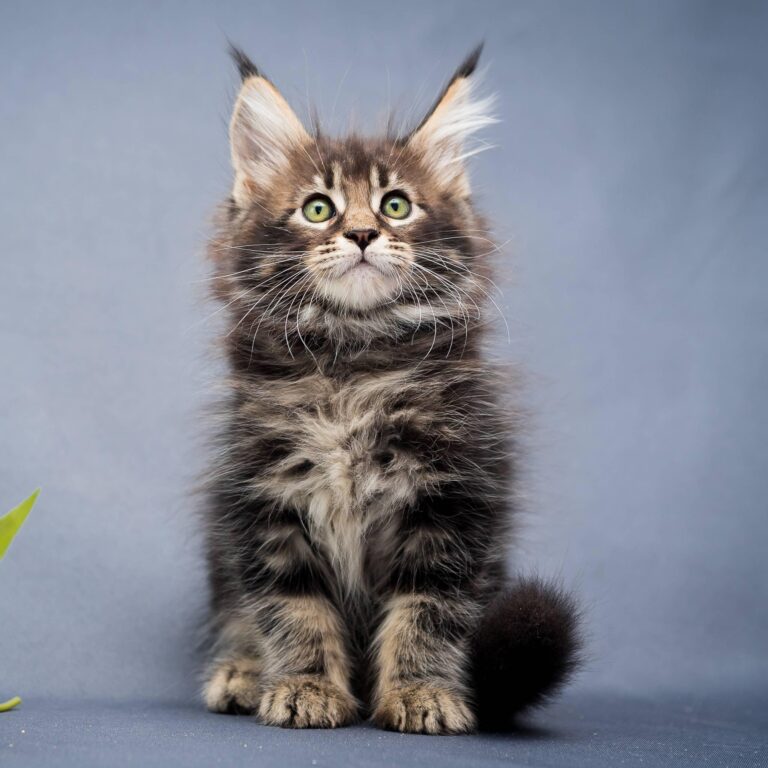
Finding Maine Coon cats for sale can be exciting, but choosing the right kitten takes more than looking at photographs. Maine Coons are large, intelligent, and social cats known for their shaggy coats, long tails, tufted ears, and gentle nature. Their striking appearance has made them one of the most popular pedigreed cat breeds.
However, high demand has also led to misleading listings, irresponsible breeding, and online pet scams. Before paying a deposit, you should understand the breed, compare breeders, review health records, and prepare for the true cost of ownership.
A responsible seller should be willing to discuss the kitten’s parents, health, personality, diet, vaccinations, socialisation, and living conditions. You should also receive a written contract explaining the breeder’s health guarantee and return policy.
This guide explains how to find a healthy Maine Coon, identify a reputable breeder, avoid scams, compare prices, and prepare your home for your new companion.
Why Choose a Maine Coon Cat?
Maine Coons are often called gentle giants because they combine an impressive physical build with a friendly and steady temperament. The Cat Fanciers’ Association describes the breed as sociable, loyal, intelligent, sweet-tempered, and easy to Available Maine Coon Kittens train. The International Cat Association also notes that Maine Coons are generally gentle, friendly, and able to get along with many people.
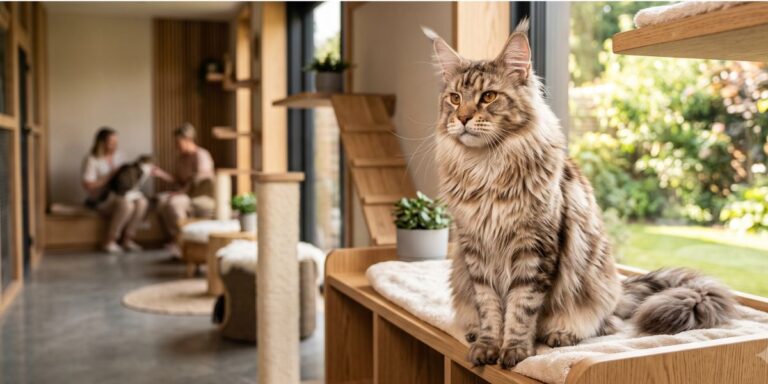
Large and impressive appearance
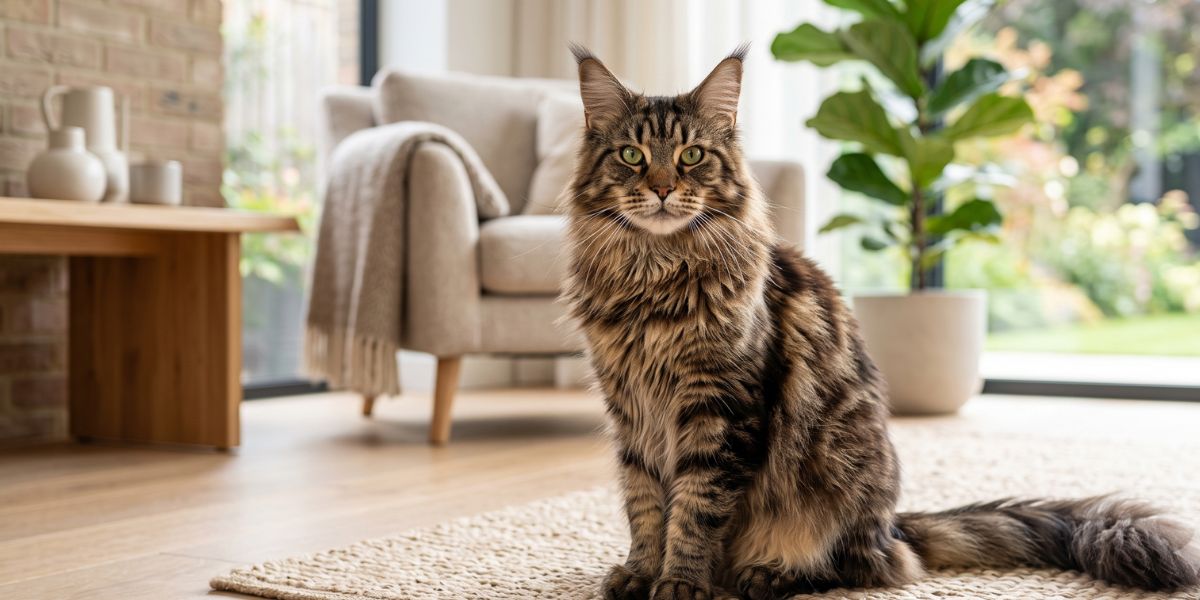
Maine Coons are among the largest pedigreed domestic cats. Adult males are usually larger than females, although size varies between individual cats and bloodlines.
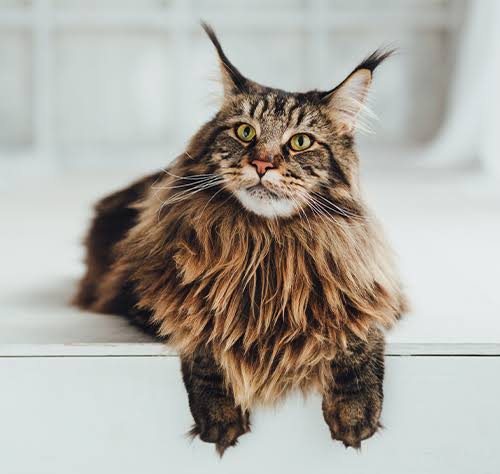
They normally have:
- A long, muscular body
- A broad chest
- Large, tufted ears
- A square-shaped muzzle
- Large paws
- A long, flowing tail
- A thick, shaggy coat
Their coat developed to suit cold weather. It is often shorter around the shoulders and longer around the stomach, tail, and back legs. Maine Coons are also slow to mature and may continue developing for several years. Size alone, however, does not prove that a cat is a purebred Maine Coon. Registration and pedigree records are more reliable than appearance.
Friendly and affectionate temperament
Most Maine Coons enjoy being close to their families. They may follow people between rooms, watch household activities, and greet family members at the door.
They are often affectionate without demanding constant attention. Some enjoy sitting on laps, while others prefer to rest beside their owners. Temperament differs from one cat to another, so buyers should ask about the personality of each kitten instead of relying only on general breed descriptions.
Intelligence and trainability
Maine Coons are curious cats that often enjoy interactive play. Many can learn simple routines, respond to their names, play fetch, use puzzle feeders, or walk with a properly fitted harness.
Their intelligence also means they need mental stimulation. A bored Maine Coon may climb furniture, open cabinets, wake people for attention, or create its own entertainment. Puzzle toys, climbing spaces, training sessions, and daily play can help keep the cat engaged.
Compatibility with children and other pets
A properly socialised Maine Coon can be a good companion for respectful children. Many also live peacefully with other cats and cat-friendly dogs.
Introductions should still be slow and controlled. Even a confident kitten may become frightened when placed in a new home with unfamiliar people and animals.
Children should be taught not to pull the cat’s tail, chase it, disturb it while sleeping, or carry it without support. Every cat should have a quiet place where it can rest without being followed.
Typical Maine Coon lifespan
Published estimates differ, but many Maine Coons live around 10 to 15 years. Genetics, weight, preventive care, diet, indoor safety, and early treatment of health problems can all affect lifespan. PetMD gives an average of about 13 years, while other breed references commonly place the range between 10 and 15 years.
A low purchase price should never be treated as more important than health testing. Choosing a responsible breeder may reduce avoidable risks, although no breeder can guarantee that a cat will never become ill.
Where to Find Maine Coon Cats for Sale
There are several places to look for Maine Coons. Each option requires careful research.
Registered Maine Coon breeders
A registered breeder is usually the best place to look for a pedigreed Maine Coon kitten with documented ancestry.
Start with breeder directories from established cat organisations such as:
- The International Cat Association
- The Cat Fanciers’ Association
- Recognised national or regional cat clubs
- Reputable Maine Coon breed clubs
Registration is a useful first screening step, but it is not a complete guarantee. Buyers must still examine the breeder’s health-testing program, facilities, contracts, breeding practices, and reputation.
A breeder should be able to explain why a particular male and female were paired. The answer should focus on health, temperament, genetic diversity, and breed quality rather than producing the largest possible kitten.
Maine Coon rescue organisations
Breed-specific rescues sometimes receive Maine Coons and Maine Coon mixes. The cats may have been surrendered because of housing changes, financial problems, allergies, family emergencies, or an owner’s death.
Rescue cats may be adults rather than kittens. This can be an advantage because their mature size, coat, habits, and personality may already be clear.
Ask the rescue about:
- Veterinary examinations
- Vaccinations
- Parasite treatment
- Spaying or neutering
- Microchipping
- Behaviour around people and animals
- Known medical conditions
- The cat’s previous home
Be cautious when a rescue labels a cat as a Maine Coon based only on long fur or large size. Without registration or pedigree records, it may be more accurate to describe the cat as a Maine Coon mix or domestic longhair.
Local pet adoption centres
Animal shelters may occasionally have large longhaired cats that resemble Maine Coons. Purebred cats are less common, but adoption can still be a suitable choice for buyers who care more about temperament than pedigree.
Visit the shelter and spend time with the cat. Ask staff how the cat behaves during feeding, grooming, play, handling, and contact with other animals.
Adoption fees may include services such as vaccinations, a veterinary check, spaying or neutering, parasite treatment, and microchipping. Confirm exactly what is included before taking the cat home.
Online Maine Coon listings
Online listings can connect buyers with legitimate breeders, but they also carry a high scam risk. A professional-looking website does not prove that the seller owns the kittens shown.
Use online listings to identify possible breeders, not to make an immediate payment. Verify the seller through independent sources.
Request a live video call in which the breeder shows:
- The specific kitten
- The kitten interacting with littermates
- The mother, when possible
- The kitten’s living area
- A paper showing the current date and your name
A prerecorded video is not enough. Images and videos can be copied from another breeder’s website or social media account.
TICA advises buyers to confirm the breeder’s identity, request parent and health records, avoid sellers who communicate only by text or email, and never pay through gift cards or wire transfers.
How Much Do Maine Coon Cats Cost?
The price of a Maine Coon depends on the breeder, country, pedigree, health program, age, registration, and what services are included.
General consumer guides often place purebred Maine Coon kittens at around $1,000 to $3,000 in the United States. However, some established breeders charge $3,500 or more, especially for imported bloodlines, rare traits, extensive testing, or cats sold with breeding rights. Prices can be much higher in some markets. These figures should be treated as examples rather than a fixed standard.
Average Maine Coon kitten price
A pet kitten from a responsible breeder normally costs more than a kitten from an unverified online seller. Ethical breeding involves significant expenses, including:
- Health screening for breeding cats
- Genetic testing
- Veterinary examinations
- Vaccinations
- Quality food
- Registration
- Parasite prevention
- Safe housing
- Emergency care
- Socialisation
- Cleaning and sanitation
An extremely high price does not prove quality. In the same way, a low price does not always mean a scam. The buyer must examine what the breeder actually provides.
Adult Maine Coon prices
Retired breeding cats and older kittens may cost less than young kittens. Some breeders place retired adults in approved homes after spaying or neutering.
An adult may be a good choice for someone who wants a calmer cat with an established personality. Ask why the cat is being rehomed and request complete health records.
Pet-quality versus show-quality cats
A pet-quality Maine Coon can still be healthy, registered, attractive, and purebred. The term normally means that the cat will not be sold for breeding or may not match every detail of the show standard.
Show-quality cats are selected for traits that closely fit the breed standard. They may cost more, but most families do not need a show prospect.
A breeder should never imply that a pet-quality kitten is unhealthy or inferior as a companion.
Factors affecting the purchase price
The price may be affected by:
- The breeder’s location
- Local demand
- Pedigree and show titles
- Breeding rights
- Veterinary care
- Genetic and cardiac testing
- Spaying or neutering
- Microchipping
- Registration
- Transportation
- Coat colour or pattern
- Imported cats and travel costs
Do not choose a kitten only because of a rare colour. Health, temperament, breeder ethics, and compatibility with your home are more important.
Ongoing ownership expenses
The purchase price is only the beginning. A Maine Coon may need larger and stronger equipment than an average cat.
Plan for:
- Quality cat food
- Veterinary visits
- Vaccinations
- Dental care
- Parasite prevention
- Pet insurance or emergency savings
- Grooming tools
- Large litter boxes
- Cat litter
- Heavy-duty scratching posts
- A stable cat tree
- Toys and puzzle feeders
- Boarding or pet-sitting
An unexpected illness can cost far more than the kitten’s purchase price. Create an emergency fund before bringing the cat home.
How to Choose a Reputable Maine Coon Breeder
A reputable breeder should be transparent, informed, and interested in where each kitten will live. Responsible breeders often ask buyers many questions because they want to place their kittens in suitable homes.
Check registration and credentials
Ask which organisation registers the cattery, breeding cats, and litters. Then confirm the information independently.
Request:
- The registered cattery name
- Parent registration details
- Pedigree documents
- Show results, when relevant
- References from previous buyers
- Contact details for the breeder’s veterinarian, when available
Registration does not replace health testing. It mainly confirms that records have been submitted to an organisation.
Examine the breeding environment
A clean breeding area should not have a strong smell of urine or waste. Cats should have fresh water, clean litter boxes, resting spaces, room to move, and regular human contact.
Some breeders limit home visits to protect young kittens from disease. That does not automatically make them dishonest. However, they should offer another way to verify the environment, such as a live video call.
Watch how the cats respond to the breeder. They should not appear consistently terrified, dirty, weak, or neglected.
Request transparent health records
Do not accept a website statement saying that all cats are “fully tested.” Ask to see the actual results.
Records should clearly show:
- The cat’s registered name
- Identification details
- The test performed
- The testing laboratory or veterinary clinic
- The date
- The result
Check that the records belong to the kitten’s parents. A report from an unrelated cat does not prove that the parents were tested.
Ask to see the kitten’s parents
The mother should usually be available because the kittens live with her. The father may live with another breeder, so an in-person meeting may not be possible.
Ask about both parents’:
- Age
- Weight
- Temperament
- Health history
- Genetic results
- Cardiac screening
- Hip screening
- Pedigree
- Previous litters
A photograph alone is not strong evidence. Request identification and supporting records.
Read the written purchase agreement
A responsible breeder should provide a contract before final payment. Read every section carefully.
The agreement should explain:
- The kitten’s identity
- Purchase price
- Deposit terms
- Health guarantee
- Conditions covered
- Time limits
- Buyer responsibilities
- Spay or neuter terms
- Registration conditions
- Return policy
- What happens if the buyer cannot keep the cat
TICA states that knowledgeable breeders should use a written contract that includes a clear health guarantee. Buyers should understand what is covered and for how long.
Avoid a breeder who refuses to provide the contract until after payment.
Evaluate the breeder’s knowledge and communication
A good breeder should explain both the benefits and challenges of owning a Maine Coon. Be cautious when a seller claims that the breed has no health risks, never sheds, needs no grooming, or is guaranteed to reach an extreme size.
Responsible breeders do not promise an exact adult weight. Growth depends on genetics, sex, diet, health, and individual development.
The breeder should also ask about your:
- Home
- Other pets
- Children
- Work schedule
- Cat experience
- Indoor safety
- Grooming plans
- Veterinary arrangements
A seller who is willing to send a kitten anywhere without asking questions may be focused more on payment than animal welfare.
Health Checks Before Buying a Maine Coon Kitten
Health screening cannot remove every risk, but it helps breeders make more informed decisions. Ask for results related to known Maine Coon health concerns.
Hypertrophic cardiomyopathy screening
Hypertrophic cardiomyopathy, or HCM, causes abnormal thickening of the heart muscle. It is the most commonly diagnosed cardiac disease in cats, and Maine Coons are among the breeds with an increased genetic risk.
A DNA test is available for the Maine Coon-associated A31P variant in the MYBPC3 gene. However, this test detects only one associated mutation. UC Davis reports that Maine Coons without this mutation can still develop HCM, which means a negative DNA result does not rule out all forms of the disease.
Ask whether the breeding cats have received:
- Maine Coon HCM DNA testing
- Cardiac examinations
- Echocardiograms performed by a qualified veterinary professional
- Repeat screening as they age
A breeder should be able to explain the difference between a DNA test and a heart ultrasound. Treating a single negative DNA result as a complete heart clearance is misleading.
Hip dysplasia testing
Hip dysplasia occurs when the hip joint does not develop or fit normally. Larger cats may place more strain on affected joints.
Breeding cats can be assessed using properly positioned X-rays. The Orthopedic Foundation for Animals accepts cats into its hip dysplasia database and grades submitted images.
Ask to see the parents’ hip results rather than accepting a verbal claim. Also ask whether close relatives have shown joint problems.
Spinal muscular atrophy testing
Spinal muscular atrophy, or SMA, is an inherited condition found in Maine Coons. It affects motor neurons and can cause an unstable gait, muscle weakness, and posture changes.
UC Davis explains that Maine Coon SMA is inherited in an autosomal recessive pattern. Two carriers can produce affected kittens, which is why breeders test breeding cats before pairing them.
A carrier is not necessarily a sick cat. The key issue is how the breeder uses the result. A responsible breeding plan should avoid matings that can produce affected kittens.
Vaccination and deworming records
The kitten should receive age-appropriate veterinary care before leaving the breeder. Ask for a written record showing:
- Vaccine names
- Dates administered
- The veterinary clinic
- Deworming treatment
- Parasite prevention
- Any medication
- The next recommended appointment
TICA’s pedigreed-kitten guidance states that buyers should receive health and vaccination records. It also notes that many knowledgeable breeders place kittens at 12 weeks or older, when they have been weaned, litter-trained, and vaccinated at least twice.
Vaccination needs vary by location and lifestyle. Your own veterinarian should review the kitten’s records soon after arrival.
Veterinary health certificate
A veterinary health certificate shows that a veterinarian examined the kitten on a specific date. It is useful, but it is not a lifelong guarantee.
Check that the certificate matches the kitten’s:
- Name or identification number
- Sex
- Colour
- Date of birth
- Microchip number, when applicable
Arrange an independent veterinary examination within the period required by the purchase contract. TICA recommends having your veterinarian examine a newly purchased kitten within a few days.
Microchip and registration documents
A microchip provides permanent identification, but the chip must be registered with the owner’s current contact details.
Ask for:
- The microchip number
- The database name
- Transfer instructions
- Registration paperwork
- Pedigree documents
- The breeder’s contract
Scan the microchip during the first veterinary appointment to confirm that the number matches the paperwork.
Red Flags When Looking for Maine Coon Cats for Sale
High demand has made Maine Coons a common target for pet scams. Stop the transaction when the seller cannot provide reliable evidence.
Prices that are unusually low
A seller may advertise a purebred kitten for a very low price and then add charges for shipping, insurance, a special crate, vaccinations, or airport release.
The Federal Trade Commission warns that scammers create fake pet advertisements to collect payments without delivering an animal.
Research normal prices in your area. A free or heavily discounted kitten that requires large transport fees should be treated with caution.
Refusal to arrange a live video call
A real breeder should be able to show the kitten live, even when home visits are restricted.
During the call, ask the breeder to:
- Say your name
- Show the kitten from different angles
- Show the mother
- Show the living area
- Interact naturally with the kitten
A seller who repeatedly claims that the camera is broken or the kitten is elsewhere may not own the animal.
No health records
Claims such as “vet checked,” “genetically clear,” or “health guaranteed” mean little without documents.
Do not rely on screenshots that hide the cat’s name, date, result, or clinic. Contact the testing body or veterinary clinic when verification is possible.
Pressure to pay immediately
Scammers often create urgency by claiming that several buyers are waiting. A legitimate breeder may have a reservation process, but should still allow you to review records and the contract.
TICA advises buyers not to rush because of claims about limited availability or high demand.
Many breeds or litters always available
A website showing dozens of available kittens in many colours or breeds may be using stolen images.
The CFA notes that reputable breeders often have limited availability and that buyers may need to wait. Large numbers of immediately available kittens can be a warning sign.
Unsafe payment requests
Do not pay using:
- Gift cards
- Cryptocurrency
- Wire transfers to unknown individuals
- Untraceable payment apps
- Payments to unrelated names
- Repeated “refundable” shipping charges
Use a payment method that provides a clear record and reasonable buyer protection. Confirm who receives the payment and make sure the name matches the contract.
Questions to Ask a Maine Coon Breeder
Prepare your questions before contacting a breeder. Compare the answers from several sellers.
Are the parents genetically tested?
Ask which tests were completed, when they were performed, and which laboratory produced the results.
For Maine Coons, discuss HCM, SMA, hips, and any other conditions relevant to the breeder’s lines. Ask whether the breeder performs clinical heart screening in addition to DNA testing.
Is the kitten registered?
Ask which association registered the litter. Request the registered names of both parents and an explanation of when you will receive the kitten’s documents.
Some breeders hold registration papers until proof of spaying or neutering is provided. This condition should appear in the contract.
What vaccinations has the kitten received?
Request the complete vaccination record. Ask what the kitten still needs and when the next veterinary appointment should occur.
Never accept a kitten based only on a seller’s statement that it has received “all shots.”
What food and litter is the kitten using?
Sudden changes can cause stomach problems or litter-box confusion. Ask for the brand, product type, feeding schedule, portion size, and litter material.
Keep the kitten’s routine stable during the first few days. Any food change should be gradual unless a veterinarian advises otherwise.
Has the kitten been socialised?
Ask how the kitten reacts to:
- Adults
- Children
- Other cats
- Dogs
- Grooming
- Nail trimming
- Household sounds
- Carriers
- Veterinary handling
Socialisation does not mean forcing kittens into stressful situations. It means giving them safe and positive exposure to normal household life.
What support is available after purchase?
A responsible breeder should remain available for reasonable questions. Ask what happens if the kitten becomes ill, develops a hereditary condition, or cannot remain in your home.
Many ethical breeders require the cat to be returned to them rather than abandoned, surrendered, or resold.
How to Choose the Right Maine Coon Kitten
Do not select a kitten based only on size, colour, or ear tufts. Personality and health are more important.
Evaluate temperament
Watch how the kitten responds to people, toys, new sounds, and handling. A confident kitten may approach quickly, while a cautious kitten may need time.
A shy kitten is not automatically unsuitable. However, the breeder should describe its normal behaviour honestly.
Choose a personality that suits your household. A busy family may prefer a confident and adaptable kitten, while a quiet adult home may be suitable for a calmer cat.
Check physical condition
A healthy-looking kitten should have:
- Clear, bright eyes
- Clean ears
- A clean nose
- A healthy coat
- Good muscle tone
- Normal movement
- A clean area beneath the tail
- Comfortable breathing
- An alert response
TICA advises buyers to look for clear eyes, clean ears, a clean coat, good muscle tone, and no obvious discharge, sneezing, bald patches, or flaky skin.
Appearance cannot replace a veterinary examination.
Male versus female Maine Coons
Males are often larger, but sex does not reliably predict personality. Socialisation, genetics, early experiences, health, and the individual cat matter more.
Discuss each kitten’s behaviour with the breeder instead of choosing based on stereotypes.
Coat colours and patterns
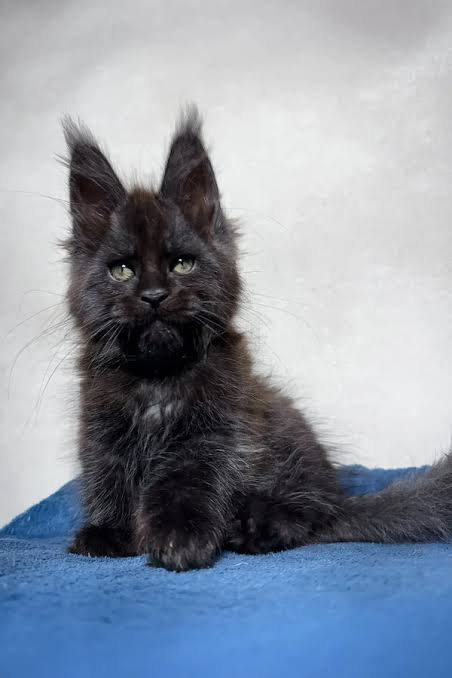
Maine Coons come in many colours and patterns. Brown tabby is well known, but black, blue, red, cream, silver, solid, tabby, and cats with white markings may also be available.
Colour does not determine whether the kitten will be friendly, healthy, or large. Do not let a rare-colour claim distract you from checking health records.
Match the kitten with your household
Consider your:
- Available space
- Daily schedule
- Children
- Existing pets
- Grooming ability
- Travel routine
- Budget
- Noise level
- Experience with cats
An honest breeder may recommend a different kitten than the one you first selected. This is often a positive sign because the breeder knows the litter’s personalities.
Preparing Your Home for a Maine Coon Cat
Prepare the home before collection day so the kitten can settle into a safe and calm environment.
Choose a large litter box
Maine Coons can outgrow standard litter boxes. Choose a long, wide box with enough room for the cat to turn around comfortably.
Place it in a quiet but accessible location. For a multi-level home, consider a litter box on more than one floor.
Buy strong scratching posts
A light scratching post may tip over when used by a large adult cat. Look for a tall and stable post that allows a full-body stretch.
Offer both vertical and horizontal scratching surfaces.
Provide a spacious cat tree
Choose a cat tree with:
- A wide base
- Strong platforms
- Secure fittings
- Large resting areas
- A suitable weight rating
Check it regularly for loose parts. Wall-mounted climbing shelves must be fixed to appropriate supports.
Use suitable food and water bowls
Wide bowls may be more comfortable for a large cat. Stainless steel or ceramic options are easy to clean.
Keep water fresh and place it away from dirty litter areas. Some cats drink more readily from a pet fountain, but the fountain must be cleaned often.
Prepare grooming supplies
You may need:
- A metal comb
- A slicker brush
- Nail clippers
- Pet-safe wipes
- A mat-splitting tool
- A toothbrush and cat toothpaste
Ask the breeder which tools the kitten already knows.
Create safe resting and play areas
Provide enclosed beds, open beds, climbing points, and quiet hiding places.
Remove or secure:
- Toxic plants
- Loose cords
- Open windows
- Unstable shelves
- Small objects that can be swallowed
- Unsafe cleaning products
- Reclining furniture hazards
Keep the new cat in one quiet room at first. Expand access after it begins eating, drinking, playing, and using the litter box normally.
Maine Coon Care and Maintenance
Maine Coons need consistent care throughout their lives.
Feeding and nutrition
Feed a complete and balanced diet suitable for the cat’s age and health. Kittens need food designed for growth, while adults need portions based on body condition and activity.
Do not overfeed to make a Maine Coon grow larger. Excess weight can place more pressure on the joints and may contribute to other health problems.
Ask your veterinarian to assess body condition rather than relying only on the number shown by a scale.
Grooming and coat care
Brush or comb the coat several times each week. Pay close attention to:
- Behind the ears
- Under the front legs
- The chest
- The stomach
- The back legs
- The base of the tail
Small tangles are easier to remove before they become tight mats. Never pull hard or cut close to the skin with scissors. Cat skin is thin and can be injured easily.
Begin grooming while the kitten is relaxed. Use short sessions and rewards so the process remains positive.
Exercise and mental stimulation
Maine Coons benefit from daily play. Use wand toys, balls, tunnels, puzzle feeders, and safe climbing areas.
Rotate toys to maintain interest. Do not leave string, ribbon, or feather toys unattended if parts can be swallowed.
Training can also provide mental exercise. Reward the cat for entering a carrier, accepting grooming, coming when called, or using a scratching post.
Veterinary care
Arrange a veterinary visit shortly after bringing the kitten home. Bring all records, contracts, test reports, and microchip information.
Future care may include:
- Routine examinations
- Vaccinations
- Parasite control
- Dental checks
- Weight monitoring
- Heart evaluation
- Joint assessment
- Blood and urine testing when appropriate
Contact a veterinarian promptly if the cat has breathing difficulty, collapses, becomes suddenly weak, stops eating, shows severe pain, or develops weakness in the back legs.
Weight management
A thick coat can hide weight gain. Feel the cat’s body regularly and ask your veterinarian to show you how to assess body condition.
Use measured meals rather than filling the bowl continuously when overeating is a concern. Treats should form only a small part of the daily diet.
Weight control is especially important for a large breed with possible joint and cardiac risks.
Should You Buy or Adopt a Maine Coon?
Buying and adopting can both be responsible choices.
Buying from a reputable breeder may be suitable when you want:
- A documented pedigree
- A known breeding history
- Parent health results
- A kitten raised in a planned program
- Predictable breed characteristics
Adoption may be suitable when you want:
- To provide a home to a cat in need
- An adult with an established personality
- A lower initial fee
- A Maine Coon mix rather than a registered purebred
- Medical services already included
Do not assume that every longhaired shelter cat is a Maine Coon. Ask how the breed identification was made.
The best option is the one that matches your expectations, budget, household, and ability to provide lifelong care.
FAQs
How much do Maine Coon cats usually cost?
In the United States, general guides often quote approximately $1,000 to $3,000 for a purebred Maine Coon kitten. Some established breeders charge $3,500 or more. Price varies by country, health testing, pedigree, age, breeding rights, and included services.
A higher price does not automatically mean the breeder is ethical. Review the breeder’s practices and documents before paying.
How can I tell whether a Maine Coon breeder is legitimate?
Check the breeder’s registration, identity, address, health records, parent information, contract, reviews, and references.
Arrange a live video call or visit. Confirm that the breeder can show the specific kitten and answer detailed questions. Never rely only on a professional website or social media page.
What is the best age to bring home a Maine Coon kitten?
Many responsible breeders allow kittens to leave at about 12 to 16 weeks. By this stage, a kitten is more likely to be weaned, litter-trained, socially developed, and far enough through its early vaccination schedule.
The CFA warns that kittens offered at six to eight weeks may be a red flag, while TICA states that many knowledgeable breeders place kittens at 12 weeks or older.
Are Maine Coon cats good family pets?
Maine Coons can be excellent family companions when properly socialised. They are widely described as friendly, intelligent, sociable, and gentle.
Parents must teach children to handle cats respectfully. The cat should always have access to a quiet and private resting area.
Can Maine Coon cats live with dogs?
Many Maine Coons live successfully with calm, cat-friendly dogs. The result depends on the personalities and previous experiences of both animals.
Use gradual introductions. Begin with separate spaces, exchange scents, and supervise early meetings. Never force direct contact.
Why are some Maine Coon kittens so expensive?
Responsible breeders spend money on health screening, veterinary treatment, quality food, registration, safe housing, socialisation, and care for breeding cats.
Prices may also rise because of transportation, imported bloodlines, show results, or breeding rights. Buyers should focus on verifiable health and welfare standards rather than marketing claims.
Is it safe to buy a Maine Coon cat online?
It can be safe to locate and communicate with a breeder online, but sending money without verification is risky.
Confirm the breeder’s identity, request live video, review health documents, check registration, read the contract, investigate images, and use a traceable payment method. When practical, collect the kitten in person.
Final Checklist Before Buying a Maine Coon Cat
Before making your final decision, confirm each of the following points.
Verify the breeder
Confirm the seller’s identity, cattery registration, contact details, reputation, and references. Arrange a visit or live video call.
Review health-test results
Request original results for the kitten’s parents. Check HCM testing, heart screening, SMA status, hip evaluation, and any other tests relevant to the breeding program.
Check registration documents
Confirm the registered names of the parents, the litter’s registration, the pedigree, and the process for receiving the kitten’s papers.
Understand the total cost
Budget for more than the purchase price. Include food, equipment, grooming, insurance, veterinary treatment, emergencies, and long-term care.
Prepare your home
Buy a large litter box, stable scratching post, strong cat tree, grooming tools, food, bowls, a carrier, toys, and safe resting areas.
Read the return and health policies
Understand what the breeder will do if the kitten becomes ill or cannot remain in your home. Do not rely on verbal promises.
Arrange an independent veterinary examination
Book a veterinary appointment for the first few days after collection. Make sure the timing follows the requirements in the health guarantee.
Make a careful final decision
Finding Maine Coon cats for sale should never become an impulse purchase. A healthy and well-socialised kitten may live with your family for more than a decade.
Take time to compare breeders, verify every important claim, review the health records, and choose a cat whose personality fits your home. Walking away from a suspicious seller is always better than risking fraud or supporting poor breeding practices.